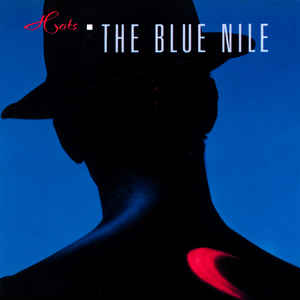
After their well-received debut album from 1984 A Walk Across the Rooftops, fans of this Glasgow trio had to wait five years for the next record. Both internal issues among the band members and record company disagreements caused nearly a whole album’s worth of material to be scrapped, material they’d begun working on almost immediately after the first record was released. But when they finally made it back into the studio in 1988, most of the problems had been sorted out, and they were able to create a masterpiece in a relatively short amount of time.
The previous record had been an odd duck of a thing – released on a small label, and containing a mixture of cool electronics and soulful lyrics and vocals, it took time for it to catch on, as people didn’t seem to know what to make of it. I remember buying it in 1984 and really not being sure whether I liked it or not – it seemed to be simultaneously cool and old-fashioned (don’t those strings and guitars on “Tinseltown in the Rain” sound a lot like disco????) Eventually, however, it grew in popularity, and by the time Hats came out in 1989, fans were ready for it. And it was worth the wait.
It follows in the same basic sound world as the first record, but is warmer and more lush, less coolly electronic. Paul Buchanan’s rich Sinatra-like baritone remains the sonic focal point, while his introspective, emotional lyrics set the mood. This is rainy-night-in-Glasgow music, like a sonic representation of the album covers of Sinatra’s No One Cares or In the Wee Small Hours. Most of the seven songs are either slow or mid-tempo affairs, with only one truly upbeat number, “Headlights on the Parade.” Most of them are sad as well (jazz singer Curtis Stigers called “Let’s Go Out Tonight” the saddest song ever written), with the exception of the album’s hopeful closer “Saturday Night.”
As on the first album the songs on Hats tend to grow slowly and run long (the shortest track clocks in at four minutes). This is no detriment, however, since it gives them a chance to develop in sometimes unexpected ways. For instance, the surprising coda-crescendo of “The Downtown Lights” comes just as you’re expecting the track to fade out, and “Let’s Go Out Tonight” includes a very short bridge which appears out of nowhere, and which features one of the most sublime, perfectly placed piano chords in all of pop music.
Really, I could go on all day about this album, but it’s better just to listen. As there are only seven tracks, I’m going to link to only one, the full album version of “The Downtown Lights.” The video is not “official,” but is a nice amalgam of views of Glasgow and footage from the song’s shortened promo video (which excludes the coda mentioned above). If this track appeals to you, the rest of the album will too.
—Rob Grano has a degree in religious studies which he's put to good use working on the insurance side of the healthcare industry for the past 20 years. He's published a number of book and music reviews, mostly in the small press, and sometimes has even gotten paid for it. He lives outside of Pittsburgh, Pa.
 Light On Dark Water
Leave a reply to Mac Cancel reply