I’ve been trying for months to decide which of three consecutive Neil Young albums to review: Everybody Knows This Is Nowhere (1969), After the Gold Rush (1970), and Harvest (1972). I give up so I’m going to talk about all three. I’ve never owned any of these three records. For a time, they weren’t on Spotify so I had to settle for Youtube. Now they are on Spotify, so I get to listen to a different set of ads. I don’t know much about his other music except Rust Never Sleeps.
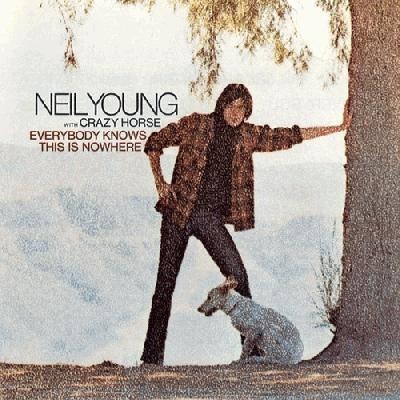
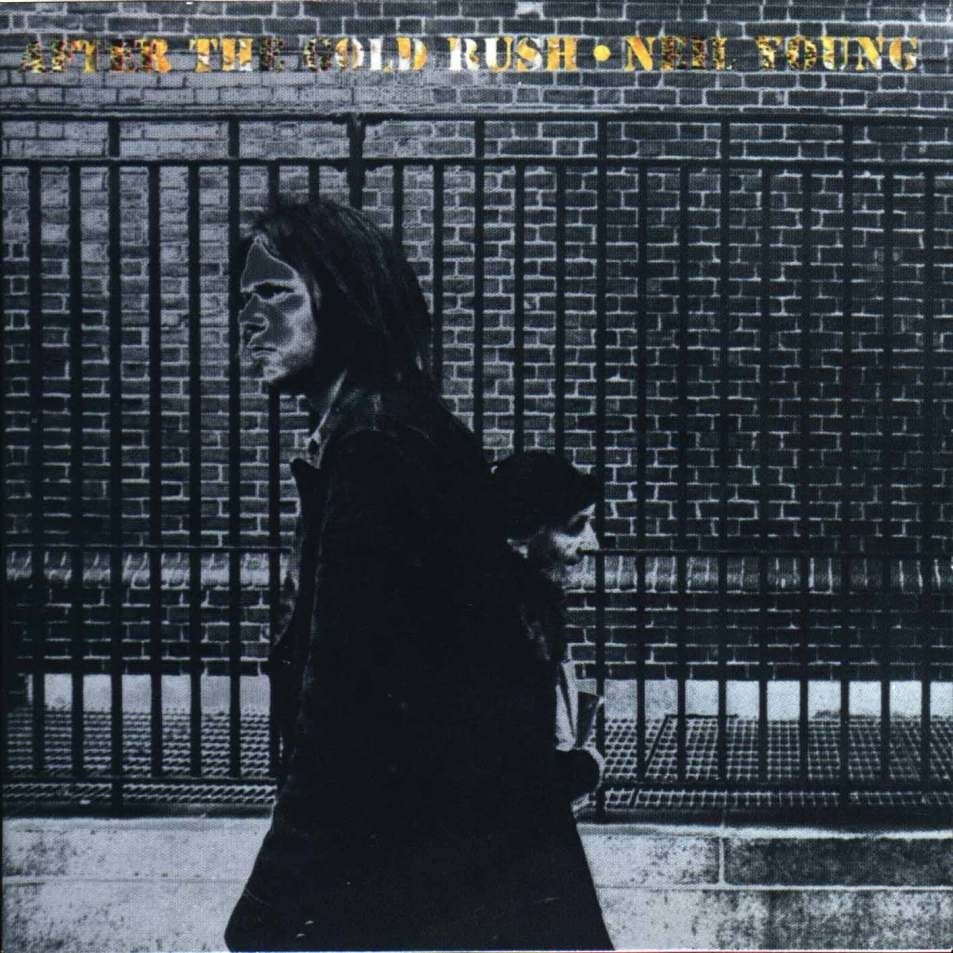
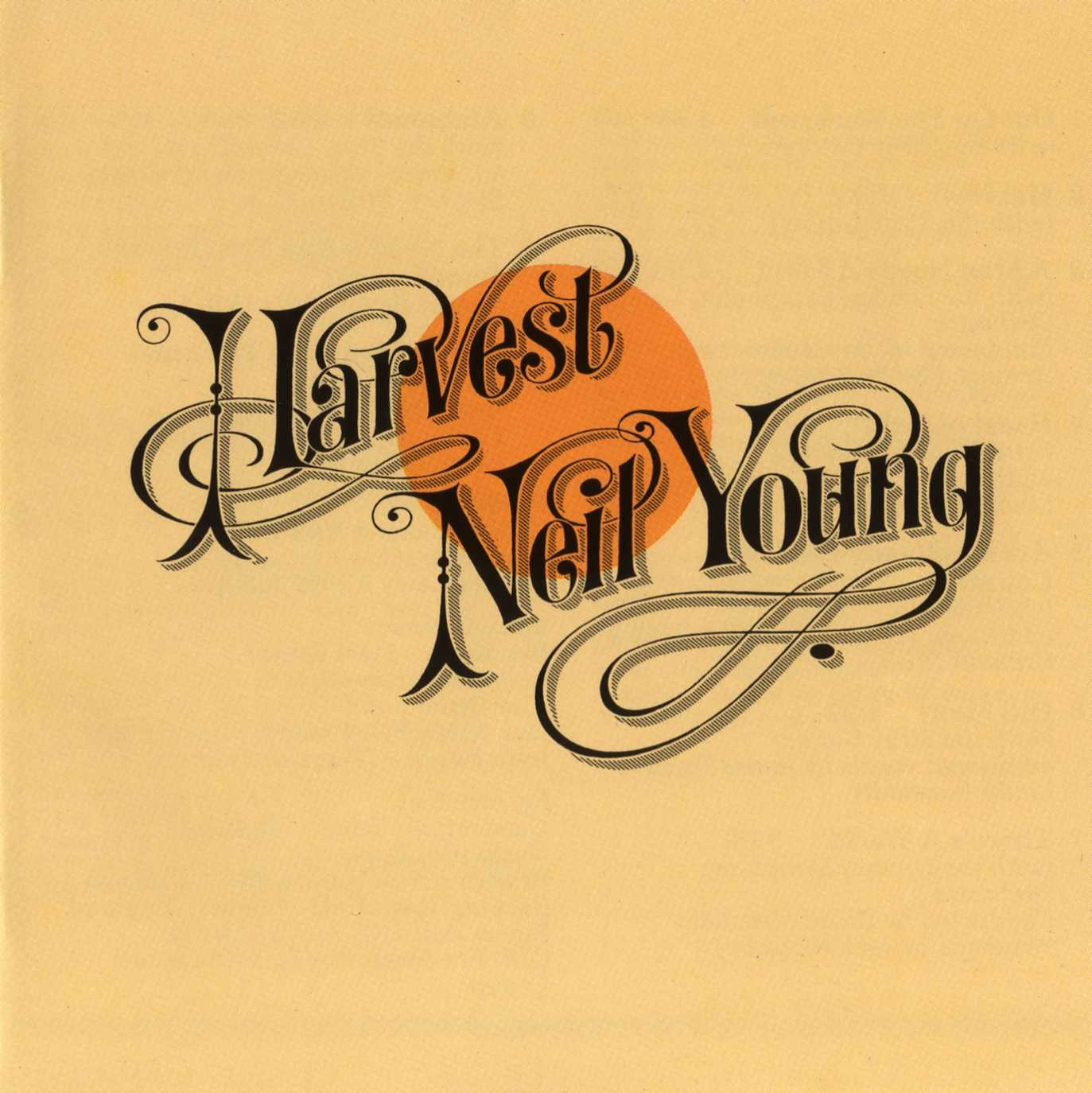
Each album is distinctive, but they all seem to go together like a triptych. Everybody is county/folk/bluesish/hard rock. After the Goldrush emphasized harmony and piano and is (relatively) less jammish. Harvest has the mouth harp and the steel guitar—and some orchestration. It also is the most cleanly produced. On all the albums his guitar playing is dirty, but it seems appropriate (I mean “awesome”). The albums are well-produced in a way to accent the positive quality of his distinctive guitar style. Crazy Horse was the main backup on Everybody and After the Gold Rush. Harvest didn’t have Crazy Horse, but had James Taylor, Linda Ronstadt, David Crosby, Steven Stills, and Graham Nash plus some other session musicians.
Young’s distinctive voice should be irritating, but it isn’t. Why he sings in falsetto, I don’t know. He is one of those singers who can get away with a weird voice—like Dylan or, to a lesser extent, Jon Anderson. I could listen to all three of these albums in a row and not tire of the voice. His producers use more or less reverb in a way that enhances the sense of the song. On “A Man Needs a Maid,” for instance, there is none whatsoever, which gives it more of a sense of loneliness and isolation. This is enhanced by the pronounced reverb on the previous song, “Harvest.”
He is a confessional singer like James Taylor and Carole King, who were also recording at that time, but his interior life is much more interesting than either of theirs—and more poetic. I must admit many of Young’s lyrics are opaque to me. Somehow, though, the evocative images coupled with the arrangement make them emotionally charged. When they do make sense, such as in “Old Man,” or almost so, as in “Cowgirl in the Sand,” they are great.
I will include my favorite cut from all three. These are arbitrary, especially for Harvest where it is a three-way tie.
“Cowgirl in the Sand.” I chose this one for the music. The lyrics I’m not so sure of. In the acoustic intro you can barely hear a note or two from the rhythm guitar in the “right” speaker before it breaks loose when the song starts in earnest.
“After the Gold Rush.” Man, what a song! Just Neil, the piano and the French Horn. And the dream is so rich and in some ways terrifying, including the space ship taking the remnant to a new home.
A Man Needs a Maid.” You can just feel his pain and the tension between just giving up by getting a maid and actually seeing her again. It has a cool use of the orchestra’s bells.
Probably if it was a different day I would have chosen “Old Man” or “The Needle and the Damage Done,” which is a great song to play on the guitar.
Young supported Reagan in the 1980s, but I don’t think he could be accused of being a Republican. He is more a libertarian. He sometimes gets political in his lyrics, such as “Southern Man” and “Alabama.” He doesn’t seem to like the South much.
—Robert Gotcher is a theologian from Milwaukee, where he and his wife have been raising their seven children, five of whom are out of the house, more or less. He is a recovering Beatlemaniac.
 Light On Dark Water
Leave a reply to Robert Gotcher Cancel reply