Something which begins as a mild annoyance can become infuriating or maddening if it goes on long enough. Such is my reaction to the contemporary use of the word "iconic." At first it was applied to fairly significant things that over some fairly lengthy period of time have become a part of our cultural furniture: "Da Vinci's iconic Mona Lisa." It became a cliché, and therefore tiresome. Gradually…or was it suddenly?…it began to be applied to well-known commercial trademarks: "Macdonald's iconic golden arches." (I never thought about it before, but Macdonald's arches are just plain old yellow, nowhere near gold in color.)
At that point it was silly and pretentious and meant nothing more than "well-known," often applied to non-visual things that further twisted the sense of the word: 'the iconic feedback opening of "I Feel Fine."' And then came a rapid descent into the trivial and vacuous. I'm pretty sure I saw "the iconic Bud Light brand" during the recent furor surrounding it.
But I don't think this headline is surpassable:
Arby's Is Bringing Back One of It's Most Iconic Deals
The apostrophe in "It's" is a nice touch. You don't really want a link to it, do you?
At this point the word produces a fingernails-on-blackboard reaction in me. (Now that blackboards have pretty well fallen out of use, is that image still intelligible to people under fifty or so?)
You can amuse or depress yourself by going to one of the search engines and allowing it to suggest completions for "iconic" followed by various letters.
iconic anime characters
iconic barbie outfits
iconic batteries
iconic candy
iconic crocs
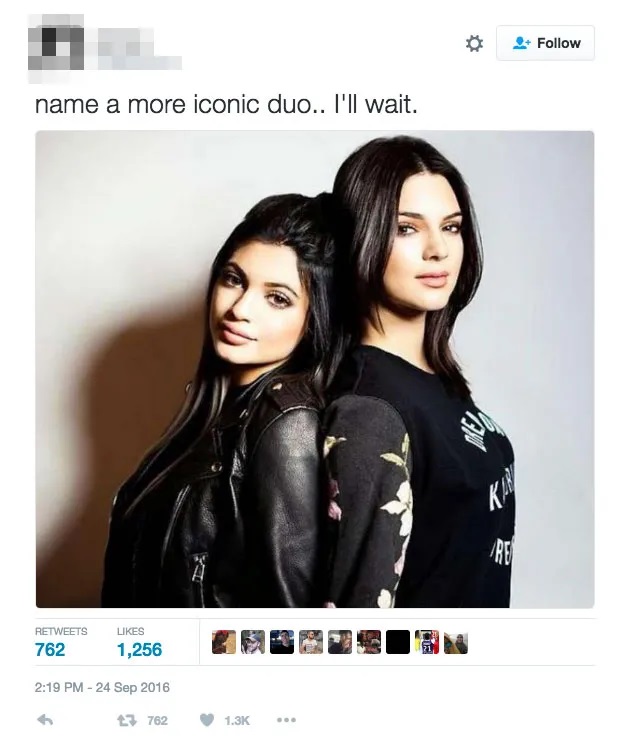
For "iconic z," Google gives you six phrases involving The Legend of Zelda, a video game. DuckDuckGo gives you "zoom backgrounds." "Iconic m" gave me "iconic memes," of which this is one. I don't know who these people are.
 Light On Dark Water
Leave a reply to Stu Cancel reply